Introduction to insulated glass
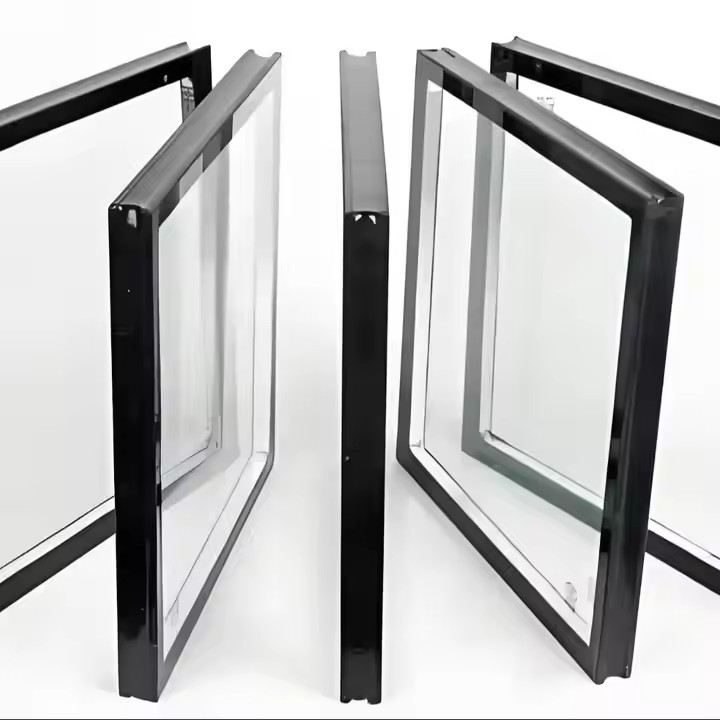
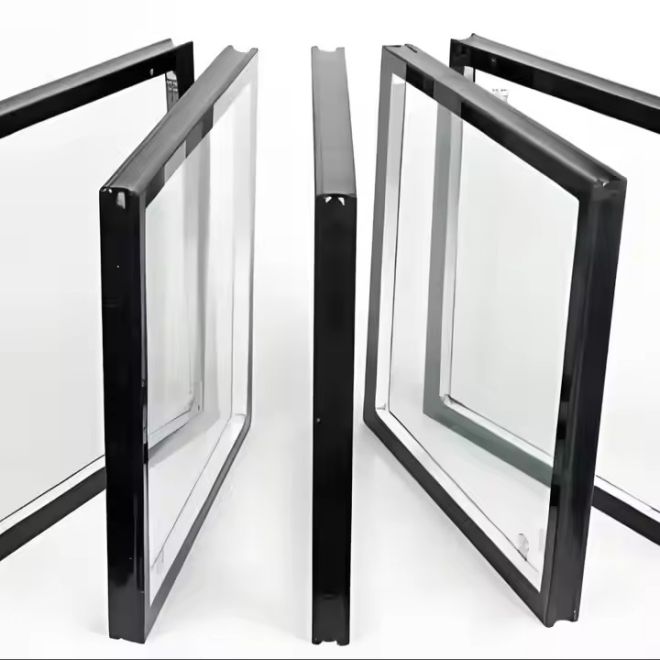
Insulated glass, commonly referred to as IG or double glazing, is a sophisticated window system designed to enhance thermal performance, reduce energy consumption, and improve indoor comfort. This technology comprises two or more panes of glass separated by a spacer, which creates an air gap that acts as a thermal barrier. The insulated glass units (IGUs) are widely used in residential, commercial, and industrial applications due to their superior insulating properties and ability to reduce noise.
Key Characteristics of Insulated Glass
IGUs are valued for their ability to maintain indoor temperatures by minimizing heat transfer between the interior and exterior environments. This reduction in heat loss and gain ensures that buildings remain warm during the winter and cool in the summer, ultimately leading to lower energy bills. Additionally, insulated glass provides excellent sound insulation, making it a preferred choice in urban areas with high noise pollution.
Energy Efficiency and Environmental Impact
The adoption of insulated glass is a significant step towards achieving energy efficiency in buildings. By reducing the need for artificial heating and cooling, IGUs contribute to lower greenhouse gas emissions and a smaller carbon footprint. This aligns with global efforts to promote sustainability and combat climate change.
Components of Insulated Glass
Understanding the components that make up IGUs is essential to appreciate their functionality and benefits. These components work in unison to deliver optimal performance and durability.
Glass Panes
The primary components of an IGU are the glass panes. Typically, these are made of clear or low-emissivity (low-E) glass, which reflects infrared radiation while allowing visible light to pass through. Low-E coatings can enhance the energy efficiency of windows by up to 40%.
Spacers and Seals
Spacers, usually composed of materials like aluminum, stainless steel, or thermoplastics, are placed between the glass panes. They are critical for maintaining the uniform separation and ensuring the stability of the unit. Seals are applied to keep the air or inert gas fill contained, preventing moisture ingress and the subsequent formation of condensation or fogging.
How Insulated Glass Works
The operation of insulated glass is based on its ability to create a thermal break that inhibits heat transfer. This section delves into the mechanisms that enable insulated glass to provide its range of benefits.
Thermal Insulation
Insulated glass reduces heat transfer through conduction and convection, thanks to the insulating air or inert gas layer between the panes. Argon and krypton are commonly used gases that provide better insulation than air by reducing convective currents.
Soundproofing Capabilities
IGUs are also effective at soundproofing due to the dampening effect of the air gap, which reduces sound vibrations passing through the glass panes. This makes them ideal for use in environments where noise reduction is crucial, such as near airports or busy streets.
Types of Insulated Glass Units
Insulated glass comes in various configurations, each designed to meet specific performance requirements. Knowing the different types helps in selecting the right product for particular applications.
Double Glazed Units
Double glazed units are the most common type of IGUs, consisting of two glass panes with a spacer in between. They provide sufficient thermal insulation for most climates and are cost-effective.
Triple Glazed Units
Triple glazed units, with three layers of glass, offer superior insulation and are suitable for harsher climates. They can reduce heat loss by up to 50% compared to traditional single glazing, although they are more expensive and heavier.
Benefits of Using Insulated Glass
Choosing insulated glass offers several advantages beyond energy efficiency, contributing to improved building performance and occupant comfort.
Energy Savings and Cost Efficiency
Insulated glass can significantly lower energy costs by reducing the need for heating and cooling. A study found that IGUs can lower heating costs by 20% and cooling costs by 30%, offering a rapid return on investment.
UV Protection
Low-E coated IGUs can block up to 99% of harmful ultraviolet rays, protecting furniture, fabrics, and artwork from fading and damage, thus preserving the interior aesthetics of a building.
Applications of Insulated Glass
The versatility of insulated glass makes it suitable for a wide variety of applications, each benefiting from its unique properties.
Residential Applications
In homes, IGUs are used in windows, doors, and skylights to enhance thermal comfort and reduce energy bills. They also add value to properties by improving aesthetic appeal and marketability.
Commercial and Industrial Applications
Commercial buildings often use IGUs to enhance energy efficiency in large glass facades, while industrial applications benefit from reduced noise pollution and increased security provided by specially designed IGUs.
Manufacturing Process of Insulated Glass
The production of IGUs involves several precise and carefully controlled steps to ensure optimal performance and longevity.
Glass Cutting and Coating
The process begins with cutting the glass panes to the required size and applying any coatings, such as low-E films. This step is crucial to achieve the desired energy performance characteristics.
Spacer Assembly and Sealing
Spacers are fitted between the glass panes, and the edges are sealed to create an airtight environment. A secondary sealant is applied to enhance durability and prevent moisture penetration.
Factors Affecting Insulated Glass Performance
The performance of insulated glass can be influenced by several factors, which must be considered to ensure the selection of the most appropriate IGU.
Climate and Location
The local climate and environmental conditions determine the type of insulated glass needed. In colder climates, triple glazing with low-E coatings is preferable, while in milder regions, double glazing may suffice.
Quality of Materials
The materials used in manufacturing IGUs, including the glass, spacers, and seals, play a critical role in determining the unit's longevity and effectiveness. High-quality materials from reputable manufacturers and exporters ensure optimal performance.
Maintenance and Longevity of Insulated Glass
Proper maintenance is vital to prolonging the life of insulated glass units and ensuring they continue to perform efficiently over time.
Regular Cleaning and Inspection
Routine cleaning with non-abrasive materials and periodic inspections for seal integrity or damage can prevent common issues such as condensation or fogging.
Professional Servicing
Engaging professional services from qualified manufacturers and wholesale suppliers for repair and replacement can extend the lifespan of IGUs, ensuring they remain effective for decades.
Future Trends in Insulated Glass Technology
Advancements in technologies are paving the way for more efficient and smarter insulated glass solutions, offering exciting possibilities for the future.
Smart Glass Integration
Smart glass technologies, which can change their transparency dynamically, are being integrated with IGUs to improve energy efficiency further and enhance user comfort and convenience.
Improved Thermal Insulation
Research into new coatings and materials aims to enhance the thermal performance of insulated glass, potentially achieving thermal resistance (R-value) levels that far exceed current standards.
BLUE-SKY Provide Solutions
For building professionals and homeowners looking to improve energy efficiency and comfort with insulated glass, BLUE-SKY offers comprehensive solutions. As a leading manufacturer, wholesaler, and exporter of high-quality insulated glass units, BLUE-SKY delivers products that meet rigorous standards and cater to diverse needs. From residential to commercial applications, our IGUs are designed to optimize thermal performance, reduce noise, and protect interiors from UV damage, making them the ideal choice for sustainable and cost-effective construction.