

Architectural Applications
● Window and Door Glazing
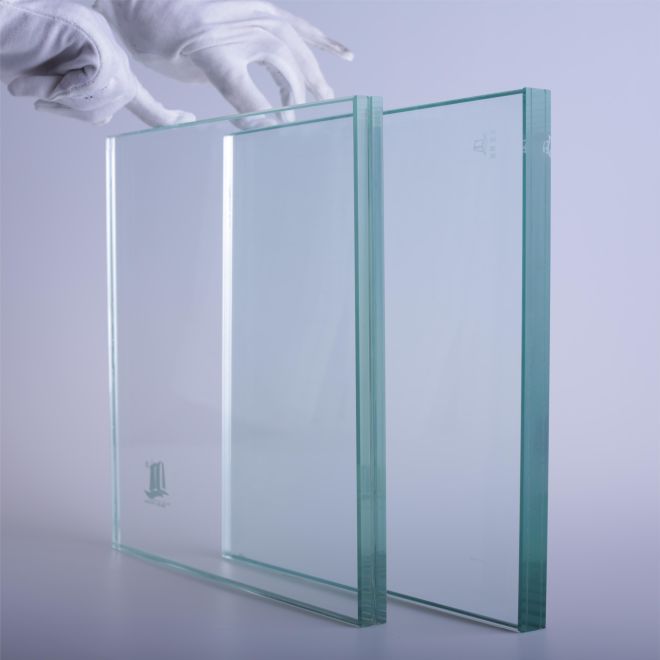
In architecture, laminated glass is an ideal choice for window and door glazing. It enhances safety and security by making it difficult for would-be intruders to break through. Additionally, its ability to block harmful UV rays while allowing natural light to filter through makes it a preferred choice in both residential and commercial buildings.
● Skylights and Facades
Laminated glass is frequently employed in skylights and building facades. Its durability and ability to withstand the elements ensure that it remains intact even under high-impact conditions such as hailstorms or falling debris. This makes it a popular choice for constructions where large expanses of glass are used for aesthetic or practical reasons.
● Hurricane-Resistant Construction
In regions prone to hurricanes and severe weather conditions, laminated glass is often mandated by building codes due to its resilience. Its ability to resist high winds and flying debris makes it a critical component in hurricane-resistant construction, protecting both property and occupants.
Sound Insulation Properties
● Noise Reduction in Buildings
Laminated glass significantly enhances sound insulation, making it an ideal choice for buildings in noisy urban environments. The polymer interlayers within the glass work to dampen sound waves, reducing noise pollution and creating a more tranquil indoor environment.
● Acoustic PVB Interlayers
Special acoustic polyvinyl butyral (PVB) interlayers are used in laminated glass to further improve sound attenuation. These interlayers enhance the glass’s ability to block out external noise, making it particularly useful in settings where peace and quiet are paramount, such as in residential neighborhoods, hotels, and hospitals.
● Comparison to Monolithic Glass
Compared to traditional monolithic glass panes, laminated glass offers superior sound insulation. This is due to the combination of various glass thicknesses and the interlayer materials, which collectively create a barrier to sound. For architects and builders, this makes laminated glass an obvious choice when designing spaces that prioritize noise reduction.
UV Protection Benefits
● Blocking Harmful UV Rays
Laminated glass excels in providing UV protection, blocking up to 99.9% of harmful UV rays depending on the interlayer used. This is particularly beneficial in protecting interior furnishings, which can fade and degrade over time with prolonged exposure to sunlight.
● TPUs and PVB’s UV Blocking Capabilities
Thermoplastic polyurethanes (TPUs) and PVB interlayers are highly effective in blocking UV radiation. These materials not only enhance the safety and durability of laminated glass but also contribute significantly to UV protection, making them suitable for use in both automobiles and buildings.
● Applications in Buildings and Vehicles
In both vehicles and architectural applications, the UV blocking properties of laminated glass protect occupants from harmful radiation. This contributes to a safer and more comfortable environment, whether on the road or within the confines of a home or office.
Artistic and Design Applications
● Glass Sculptures
Artists and designers have also embraced laminated glass for its aesthetic possibilities. Glass sculptures utilizing laminated glass can incorporate vivid colors and intricate designs, achieved through various interlayer materials and digital printing techniques.
● Decorative Architectural Elements
In modern architecture, laminated glass is often used for decorative elements such as partitions, stairs, and balustrades. Its ability to combine strength with beauty allows architects to push the boundaries of design without compromising on safety or functionality.
● Digital Printing on Laminated Glass
Recent advancements in digital printing technology have made it possible to print complex images and patterns directly onto the interlayers of laminated glass. This opens up a world of possibilities for custom laminated glass, allowing for personalized designs in both residential and commercial projects.
Security and Bulletproof Glass
● Increased Security in Buildings
Laminated glass significantly enhances the security of buildings by being difficult to penetrate. This makes it an essential material for high-security buildings such as banks, government offices, and jewelry stores, where break-ins would be particularly detrimental.
● Bullet-Resistant Laminated Glass
For environments where safety is of utmost concern, bullet-resistant laminated glass is employed. This type of glass is constructed using multiple layers of glass and polycarbonate materials to withstand ballistic impacts, providing an additional layer of protection.
● Methods to Enhance Strength
Laminated glass strength can be enhanced by using thicker glass layers and advanced interlayer materials. This ensures that the glass does not only prevent penetration but also resists attempts to shatter or break it, making it a formidable barrier against forced entry.
Natural Disaster Protection
● Resistance to Wind and Debris Impact
Laminated glass is highly resistant to impact from wind-borne debris, making it indispensable in areas prone to hurricanes and tornadoes. Its ability to remain intact even when struck by high-speed objects helps prevent injuries and damage during natural disasters.
● Application in Hurricane Zones
In hurricane zones, building regulations often require the use of laminated glass in windows and doors. This is to ensure that buildings can withstand the extreme forces experienced during such events, protecting both the occupants and the structure itself.
● Benefits in Earthquake-Prone Areas
Similarly, in earthquake-prone regions, laminated glass offers a safer alternative to traditional glass. Its ability to hold together when cracked ensures that it does not shatter into dangerous shards, thereby reducing the risk of injury during seismic activities.
Sustainability and Eco-Friendly Benefits
● Reduced Energy Consumption
Laminated glass contributes to energy efficiency by providing excellent insulation. This reduces the need for heating and cooling, leading to lower energy consumption and reduced utility bills. In both residential and commercial buildings, this translates to significant long-term cost savings.
● Insulating Properties to Save Energy
The insulating properties of laminated glass are due to its ability to reduce heat transfer. This makes it an effective barrier against external temperature changes, maintaining a comfortable indoor environment regardless of the weather outside.
● Contribution to Green Building Certifications
Buildings that use laminated glass can often qualify for green building certifications such as LEED. This not only enhances the building’s market value but also demonstrates a commitment to sustainability and environmental stewardship.
Technical Specifications and Production
● Layers and Interlayer Materials
The typical makeup of laminated glass includes multiple layers of glass and one or more interlayers made of materials such as polyvinyl butyral (PVB), ethylene-vinyl acetate (EVA), or thermoplastic polyurethane (TPU). These materials enhance the glass’s safety, durability, and performance characteristics.
● Strength and Thickness Variations
Laminated glass can be tailored to meet specific strength and thickness requirements. This customization allows for a wide range of applications, from standard window panes to bullet-resistant glass used in high-security environments.
● Manufacturing Processes
The production of laminated glass involves bonding layers of glass with the interlayer material using heat and pressure in an autoclave. This process ensures a strong, durable bond that enhances the glass’s safety features and performance.
Challenges in Cutting and Repair
● Difficulties Due to Plastic Interlayers
Cutting laminated glass presents unique challenges due to the plastic interlayers. Standard glass cutting techniques are not sufficient, and specialized equipment is often required to achieve clean, precise cuts.
● Safe Cutting Practices
To safely cut laminated glass, special purpose laminated cutting tables, vertically inclined saw frames, and high-pressure abrasive waterjet systems are recommended. These methods ensure that the interlayer material is properly dealt with, preventing damage to the glass.
● Methods for Repair and Maintenance
Repairing laminated glass involves dealing with the interlayer as well as the glass layers. Techniques such as resin injection can be used to repair cracks, but in many cases, replacement of the affected panel is the most effective solution.
Blue-Sky: A Leading Laminated Glass Manufacturer
Since its establishment in 2000, Hangzhou BLUE-SKY Safety Glass Co., Ltd. has grown into one of China's most renowned glass processing companies. Located in Hangzhou and spanning over 75,000 square meters, Blue-sky specializes in various glass products including laminated glass, tempered glass, insulated glass, and custom laminated glass. With advanced technology, over 300 experienced employees, and state-of-the-art equipment, Blue-sky consistently delivers high-quality products and excellent service. Certified by CCC, ISO, CE, and SGCC, Blue-sky is a preferred laminated glass supplier internationally.