

Standard Thickness Specifications
● Typical Measurements for Standard Double Glazing
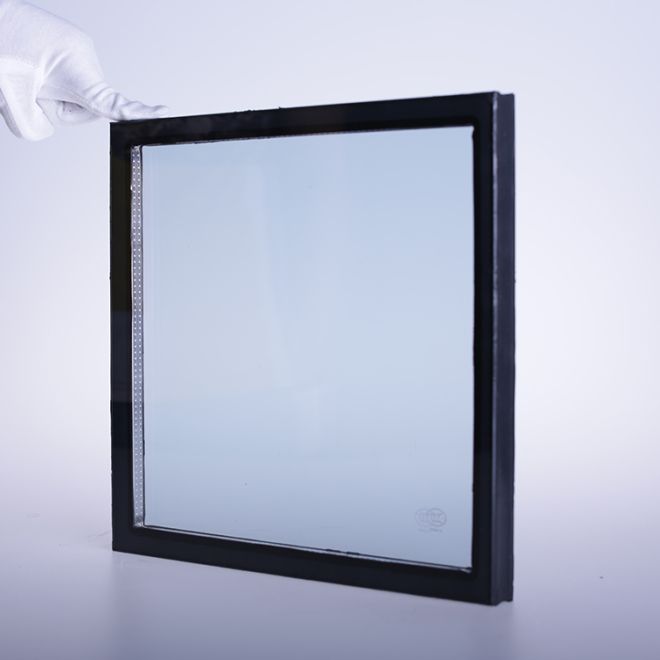
Double glazing units typically consist of two panes of glass separated by a spacer bar filled with insulating gas or air. The standard thickness of double glazing usually falls within a range to accommodate various needs and building regulations. For most residential properties, the standard thickness is around 24mm. This measurement generally includes two 4mm panes of glass with a 16mm spacer bar in between.
● Common Configurations and Their Applications
While the 24mm specification is common, it is by no means the only option. Double glazing can range from 12mm to 28mm, and even beyond, depending on the desired features and specific requirements of the property. These configurations are utilized in different settings, from standard residential homes to commercial buildings and custom applications.
Pane Thickness in Double Glazing
● Standard Pane Thicknesses
The thickness of individual panes in double glazing units varies but commonly ranges from 4mm to 6mm. While a 4mm thickness is generally adequate for most residential purposes, other factors might necessitate opting for thicker panes.
● Impact of Pane Thickness on Performance
The thickness of the glass panes themselves can significantly affect the performance of double glazing. Thicker panes offer greater resistance to impact, making them suitable for enhanced security applications. They also provide better insulation and noise reduction, which we will discuss in further sections.
Spacer Bar Thickness Variations
● Role of the Spacer Bar in Double Glazing
The spacer bar is the component that separates the two glass panes in a double glazing unit. This bar is filled with air or an inert gas, such as argon, to improve the insulating properties of the glazing. The thickness of the spacer bar can vary, contributing to the overall thickness of the unit.
● Common Spacer Bar Thicknesses
Typically, the spacer bar's thickness ranges from 6mm to 20mm. The choice of a thicker spacer bar usually enhances the unit's insulating efficiency, improving its ability to retain heat during winter and prevent heat from entering during summer.
Reinforced Double Glazing Options
● Difference Between Standard and Reinforced Glazing
Standard double glazing might not always meet the requirements for security and durability, especially in areas susceptible to high impacts or extreme weather conditions. Reinforced double glazing is an effective solution, providing increased robustness through the use of laminated or tempered glass.
● Applications Requiring Reinforced Glazing
Reinforced double glazing usually comes with glass panes that range from 6mm to 10mm in thickness. These are often used in commercial buildings, high-security residences, or properties located in harsh climates. The laminated interlayer in reinforced glazing maintains its integrity even if the glass breaks, offering additional safety and noise reduction benefits.
Noise Reduction Considerations
● How Thickness Affects Noise Insulation
One of the major benefits of opting for thicker double glazing is its ability to significantly reduce external noise. The thickness of the glass and the size of the spacer bar work together to dampen sound waves, making the interior environment quieter.
● Recommendations for Urban Areas
For homes located in busy urban environments, thicker double glazing units are highly recommended. For example, opting for a 16mm thick double glazing unit—comprising 6mm glass panes and a 4mm spacer bar—can drastically reduce noise pollution compared to the standard 12mm thick units.
Energy Efficiency and Insulating Properties
● Importance of Low-Emissivity Coatings
Low-emissivity (Low-E) coatings are often applied to double glazing units to enhance their energy efficiency. These coatings help to reflect heat back into the room, reducing the need for additional heating and lowering energy costs.
● Thickness Range for Energy-Saving Double Glazing
The thickness of the coating can significantly affect how well the double glazing conserves energy. Typically, energy-saving double glazing units range from 16mm to 28mm in total thickness, offering superior insulation properties that can lead to significant cost savings over time.
Climate and Environmental Impact
● How Climate Affects Double Glazing Thickness Choice
The climate of the area where the double glazing will be installed plays a crucial role in determining the appropriate thickness. Colder climates benefit from thicker double glazing units, which provide better insulation and reduce heat loss. In contrast, areas with milder climates may not require as thick a unit.
● Tailoring Thickness to Specific Environmental Needs
Properties located in regions prone to extreme weather conditions, such as high winds and heavy rainfall, will benefit from thicker, reinforced double glazing units. These ensure that the glazing remains durable and maintains its insulating properties despite the environmental challenges.
Cost and Durability Factors
● Cost Implications of Thicker Units
While thicker double glazing units generally offer better performance in terms of insulation, noise reduction, and durability, they are also more expensive. The increased cost is due to the additional materials and more complex manufacturing processes required.
● Durability Considerations Based on Thickness
Thicker double glazing units are inherently more durable, making them a long-term investment. They can withstand greater force and provide better security, making them ideal for high-traffic or high-risk areas. However, the increased weight may also necessitate more robust window frames, adding to the overall cost.
Choosing the Right Thickness for Your Home
● Factors to Consider When Selecting Thickness
When selecting the right thickness for double glazing, several factors should be considered. These include the climate of the area, the level of external noise, security needs, and the overall budget. Consulting with professionals can help you determine the optimal thickness for your specific requirements.
● Consulting with Window Professionals for Best Results
It is always advisable to consult with a window company or a professional who can provide expert advice tailored to your situation. Companies specializing in custom thin double glazing, like those available wholesale or through a thin double glazing manufacturer and supplier, can offer solutions that meet your specific needs.
Conclusion
In summary, the thickness of double glazing varies based on multiple factors, including the type of glass used, spacer bar thickness, and the intended application. Standard double glazing units typically feature 4mm glass panes, while reinforced units may use panes up to 10mm thick. Thicker double glazing generally offers better insulation and noise reduction but comes at a higher cost. When selecting double glazing for your home, it is essential to consider your unique needs to make an informed decision.
---
BLUE-SKY is a premier provider of high-quality double glazing solutions. Specializing in thin double glazing, they offer custom and wholesale options to meet various needs. As a reputable thin double glazing manufacturer and supplier, BLUE-SKY ensures that every product meets the highest standards of durability, efficiency, and aesthetic appeal. For more information, visit our website or contact our expert team.