Introduction to the Article Theme
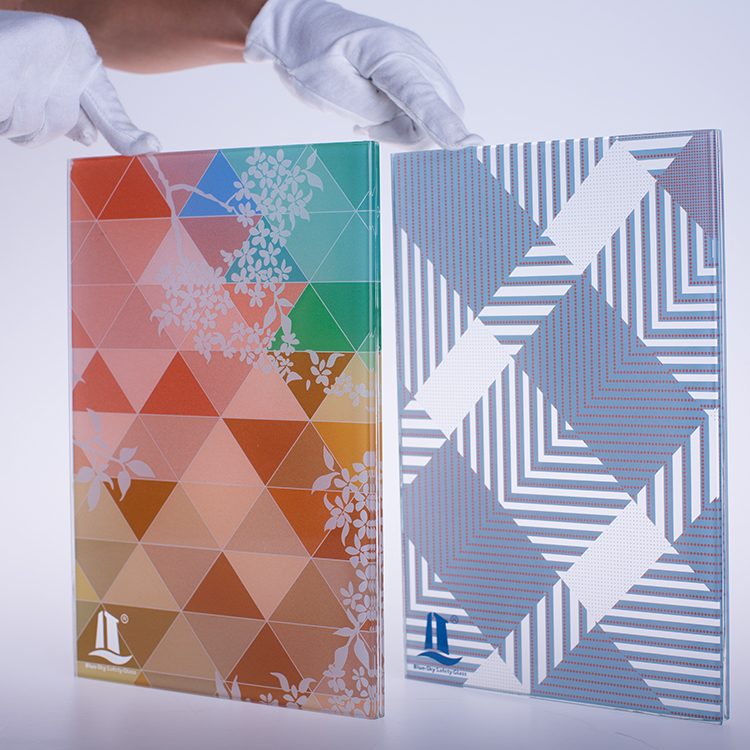
In the modern age of architecture and interior design, the utilization of glass extends far beyond mere windows and doors. One of the most compelling advancements in this domain is printed glass, which offers endless possibilities for both functional and aesthetic applications. Printed glass, whether customized or produced in bulk by wholesale printed glass manufacturers, has a significant impact on numerous industries, including construction, automotive, and interior design. This article delves into the diverse facets of printed glass, including its historical evolution, current trends, technological advancements, challenges, and future projections, with a particular focus on custom printed glass and its supply chain dynamics.
Historical Background and Evolution
● Origin of Printed Glass
The origins of printed glass can be traced back to the early 20th century, when screen printing technology was first adapted for glass surfaces. Initially used for simple patterns and designs, the technique evolved significantly over the decades. The first printed glass was primarily used for decorative purposes, adding color and intricacy to otherwise plain glass panels.
● Key Milestones
The journey of printed glass saw major milestones with the advent of digital printing technologies in the late 1990s. This innovation allowed for higher precision, greater design flexibility, and the ability to produce customized patterns and images at a much faster rate. Technological advancements have made it possible for printed glass manufacturers to offer a diverse range of products, from simple decorative panels to complex, functional glass with embedded electronic components.
Current Trends and Statistics
● Recent Developments
In recent years, printed glass has seen a surge in popularity, driven by advancements in digital printing technologies and a growing demand for customized and aesthetically pleasing building materials. Today, printed glass suppliers offer a wide range of products, including anti-glare glass, back-painted glass, and laminated glass with embedded prints, catering to various sectors such as architecture, automotive, and interior design.
Impact on Society
● Social Implications
Printed glass significantly influences modern architecture's visual appeal, contributing to the trend of more open, light-filled spaces in both residential and commercial buildings. Custom printed glass allows architects and designers to create unique, individualized spaces, enhancing the overall user experience. Moreover, printed glass panels are increasingly being used in public spaces like airports, museums, and shopping malls to create visually engaging environments.
● Public Perception and Awareness
As awareness of printed glass's versatility grows, so does its acceptance and popularity. Consumers now seek out custom printed glass solutions for their homes and offices, valuing the blend of functionality and aesthetics. This increased awareness is driving demand for printed glass products and services, positioning printed glass manufacturers and suppliers at the forefront of the industry.
Technological Advances and Innovations
● New Technologies
The most significant technological advancement in the printed glass industry is the introduction of digital ceramic printing. This technique involves applying ceramic ink directly onto the glass surface, followed by a tempering process that fuses the ink with the glass. This results in a durable, scratch-resistant finish that can withstand harsh environmental conditions. Additionally, UV printing and inkjet technologies have expanded the range of possible applications, enabling high-resolution, full-color images to be printed on glass panels.
● Future Possibilities
The future of printed glass is bright, with continuous innovations pushing the boundaries of what is possible. Emerging technologies such as smart glass, which can change its opacity or color in response to environmental triggers, and interactive glass, which incorporates touch-sensitive surfaces, are poised to revolutionize the industry. These advancements will open up new possibilities for printed glass in areas such as augmented reality, energy efficiency, and interactive displays.
Challenges and Obstacles
● Major Issues Faced
Despite the many advantages of printed glass, the industry faces several challenges. One of the primary issues is the high cost associated with digital printing technologies, which can be a barrier for small-scale manufacturers and consumers. Additionally, ensuring color consistency and adhesion across different glass types and thicknesses remains a technical challenge.
● Barriers to Progress
Environmental concerns also pose significant challenges, as the production process for printed glass can be energy-intensive and generate waste. Manufacturers are under increasing pressure to adopt sustainable practices and reduce their carbon footprint. Furthermore, the industry must address the issue of standardization, as the lack of universally accepted standards for printed glass products can create inconsistencies in quality and performance.
Case Studies and Real-world Examples
● Success Stories
One notable example of printed glass's impact is the use of custom printed glass in the façade of the Louvre Abu Dhabi. The intricate patterns printed on the glass panels not only enhance the building's aesthetic appeal but also provide functional benefits such as shading and temperature regulation. Another success story is the use of printed glass in the Apple Park headquarters, where large glass panels seamlessly integrate with the building's design, creating a light-filled, transparent environment.
● Failures and Lessons Learned
While there have been many success stories, the printed glass industry has also seen its share of failures. For instance, the initial attempts to use printed glass in automotive applications faced challenges with durability and visibility. These early failures highlighted the importance of rigorous testing and quality control, leading to the development of more robust printing techniques and materials.
Future Projections and Predictions
● Expected Developments
The printed glass industry is poised for continued growth, driven by advancements in digital printing technologies and increasing demand for customized, aesthetically pleasing building materials. The adoption of smart glass and interactive glass technologies is expected to accelerate, opening up new applications in areas such as augmented reality, energy efficiency, and interactive displays. Moreover, the trend towards sustainable building practices will likely drive the development of eco-friendly printed glass solutions.
● Expert Opinions
Industry experts predict that printed glass will become an integral part of modern architecture and design, offering endless possibilities for customization and functionality. As technology continues to evolve, printed glass manufacturers and suppliers will need to stay at the forefront of innovation, developing new products and solutions to meet the changing demands of the market.
Conclusion and Takeaways
● Summary of Key Points
Printed glass has come a long way since its early days, evolving into a versatile and essential material in modern architecture and design. From its historical origins to current trends and technological advancements, the printed glass industry offers endless possibilities for customization and functionality. Despite facing several challenges, including high production costs and environmental concerns, the industry is poised for continued growth, driven by advancements in digital printing technologies and increasing consumer demand for aesthetically pleasing building materials.
● Final Thoughts and Recommendations
As the printed glass industry continues to evolve, manufacturers and suppliers must stay at the forefront of innovation, developing new products and solutions to meet the changing demands of the market. By adopting sustainable practices and investing in advanced technologies, the industry can overcome its challenges and continue to thrive. For consumers, the ability to customize and create unique, personalized spaces through printed glass offers endless possibilities for enhancing the visual appeal and functionality of their environments.
BLUE-SKY: A Trusted Partner in Printed Glass Solutions
Since its establishment in 2000, Hangzhou BLUE-SKY Safety Glass Co., Ltd. has become a leading manufacturer in the glass processing industry. With a large factory located in Hangzhou, close to both Ningbo and Shanghai ports, Blue-Sky offers a wide range of products, including tempered glass, laminated glass, insulated glass, printed glass, and shower doors. Leveraging advanced technology and a highly skilled workforce, Blue-Sky is committed to providing high-quality, customized glass solutions to customers worldwide. The company's dedication to excellence and customer service has made it a preferred supplier in the global market.