Introduction to the Main Theme
Suspended glass canopies are rapidly gaining popularity in modern architecture. These innovative structures not only enhance the aesthetic appeal of buildings but also offer functional benefits such as protection from the elements. In recent years, suspended glass canopies have become a symbol of contemporary design, embodying both sophistication and practicality. This article delves deep into the world of suspended glass canopies, exploring their historical context, current state, key players, technological advancements, economic implications, social and cultural impacts, environmental concerns, policy and regulation, and future prospects.
Historical Context and Background
● Origins and Evolution
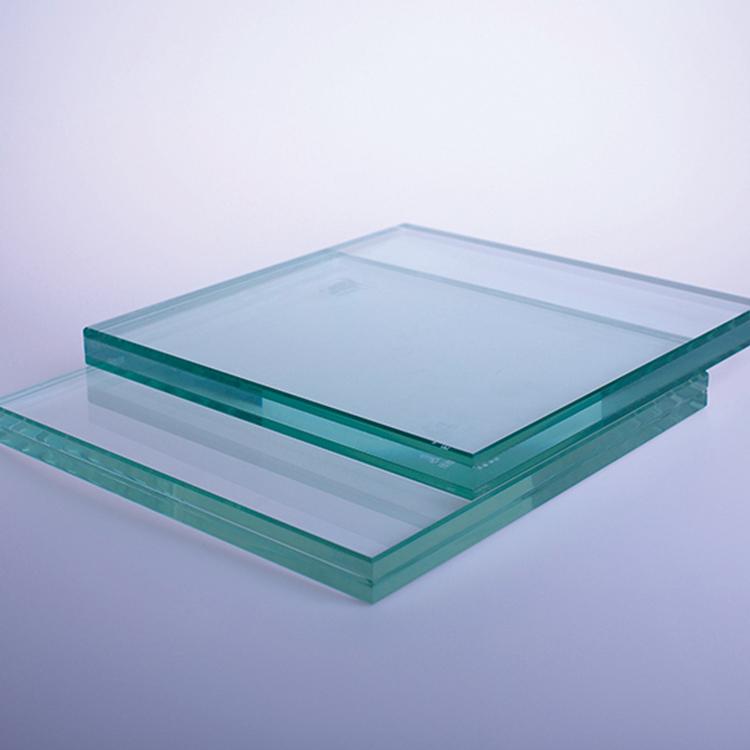
The concept of using glass in architecture dates back to the Roman era, but it wasn't until the 20th century that glass technology advanced sufficiently to allow for the creation of large, suspended glass structures. The development of tempered and laminated glass played a crucial role in this evolution, as these materials provided the necessary strength and safety features. Architects and engineers began experimenting with suspended glass canopies in the 1970s, and by the 1990s, they had become a common feature in commercial buildings, airports, and public spaces.
Current State of Affairs
● Present-day Challenges
Despite their popularity, suspended glass canopies pose several challenges. One of the primary concerns is the structural integrity and safety of these installations. Engineers must carefully calculate load-bearing capacities and account for environmental factors such as wind and snow loads. Additionally, maintenance can be a challenge, as glass surfaces are prone to collecting dirt and grime, requiring regular cleaning.
● Key Statistics and Facts
The global market for suspended glass canopies is growing steadily, with an estimated annual growth rate of 5% over the next decade. Asia-Pacific is the largest market, followed by North America and Europe. Increasing demand for aesthetically pleasing and functional architectural solutions is driving this growth.
Technological Advancements
● Recent Innovations
Recent advancements in glass technology have revolutionized the design and construction of suspended glass canopies. Innovations such as self-cleaning glass, smart glass with adjustable opacity, and energy-efficient glass coatings have enhanced the functionality and sustainability of these installations. Additionally, improvements in the manufacturing process have made it possible to produce larger and more complex glass panels.
● Potential Future Developments
The future of suspended glass canopies looks promising, with ongoing research and development aimed at further enhancing their performance and versatility. Potential future developments include the integration of solar panels into glass canopies to generate clean energy and the use of advanced materials like graphene to improve strength and durability.
Economic Implications
● Financial Benefits and Considerations
Suspended glass canopies offer several financial benefits to building owners and developers. They can increase property values, attract tenants and customers, and reduce energy costs through improved natural lighting and insulation. However, the initial investment can be substantial, and it is essential to consider long-term maintenance and replacement costs.
● Impact on Markets and Industry
The growing demand for suspended glass canopies is positively impacting related industries, such as glass manufacturing, construction, and engineering. It is also fostering innovation and competition, leading to better products and services. As more buildings incorporate suspended glass canopies, the market is expected to expand further.
Social and Cultural Impact
● Effect on Communities and Societies
Suspended glass canopies have a significant impact on communities and societies. They create inviting and visually appealing public spaces, enhance the urban landscape, and contribute to a sense of modernity and progress. These structures also promote social interaction by providing sheltered areas for gatherings and events.
● Cultural Shifts and Changes
The adoption of suspended glass canopies reflects broader cultural shifts towards transparency, openness, and a connection with nature. These canopies symbolize a departure from traditional, opaque building materials and an embrace of light, air, and openness. This cultural shift is also influencing other aspects of design and architecture, promoting a more harmonious relationship between built environments and natural surroundings.
Environmental Concerns
● Ecological Footprint
While suspended glass canopies offer aesthetic and functional benefits, they also have an ecological footprint. The production of glass requires significant energy and resources, and the disposal of glass waste can pose environmental challenges. Additionally, the increased use of glass in architecture can lead to higher energy consumption for heating and cooling buildings.
● Sustainable Practices and Solutions
To mitigate environmental concerns, many manufacturers and designers are adopting sustainable practices. This includes using recycled glass, improving energy efficiency through advanced coatings and double glazing, and incorporating renewable energy sources. The development of eco-friendly cleaning solutions and maintenance practices also contributes to the sustainability of suspended glass canopies.
Policy and Regulation
● Current Laws and Regulations
The installation of suspended glass canopies is subject to various laws and regulations to ensure safety and compliance. Building codes and standards, such as those set by the International Code Council (ICC) and local authorities, dictate the design, construction, and maintenance of these structures. These regulations encompass load-bearing requirements, safety features, and material specifications.
● Proposed Changes and Debates
As the popularity of suspended glass canopies continues to rise, there are ongoing debates about potential changes to existing regulations. Some industry experts advocate for stricter standards to enhance safety and energy efficiency, while others call for more flexible guidelines to encourage innovation and creativity in design. The outcome of these debates will shape the future landscape of suspended glass canopy installations.
Future Prospects and Predictions
● Emerging Trends
Several emerging trends are likely to influence the future of suspended glass canopies. One notable trend is the increasing integration of smart technology, such as sensors and automated shading systems, to enhance the functionality and user experience. Another trend is the use of biophilic design principles, incorporating natural elements like greenery and water features to create harmonious and restorative spaces.
● Long-term Implications and Scenarios
In the long term, suspended glass canopies are expected to become even more prevalent and sophisticated. Advances in materials science and engineering will enable the creation of larger and more complex structures, pushing the boundaries of what is possible in architectural design. Additionally, the focus on sustainability and energy efficiency will drive the development of innovative solutions that minimize environmental impact. As cities continue to grow and evolve, suspended glass canopies will play a crucial role in shaping the urban landscape, providing functional and aesthetically pleasing spaces for people to enjoy.
● Conclusion
Suspended glass canopies have emerged as a symbol of modern architecture, combining beauty, functionality, and innovation. From their historical origins to their current state and future prospects, these structures have made a significant impact on the architectural landscape. As technology advances and sustainability becomes increasingly important, suspended glass canopies will continue to evolve, offering new possibilities for design and construction.
● About BLUE-SKY
Since its establishment in 2000, Hangzhou Blue-sky Safety Glass Co., Ltd. has become a leading manufacturer in the glass processing industry. Located in Hangzhou, close to both Ningbo and Shanghai ports, Blue-sky operates a large factory spanning over 75,000 sqm. With a team of more than 300 experienced employees, advanced technology, and state-of-the-art equipment, Blue-sky specializes in producing high-quality tempered, laminated, insulated, and printed glass products. Renowned for its exceptional service and competitive pricing, Blue-sky has earned a reputation as a trusted supplier worldwide.