

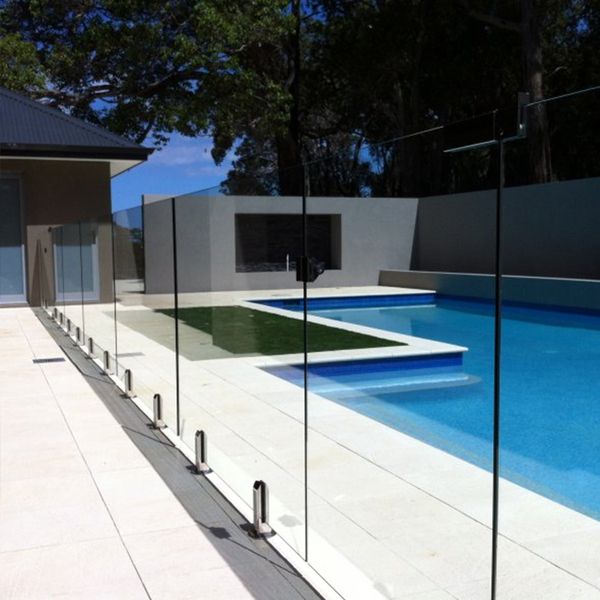
You want a stunning pool view, not a nerve‑racking game of “Will the glass hold?” every time the kids cannonball, the dog sprints past, or Uncle Dave tests the fence after “just one more” holiday drink.
Relax—choosing toughened, compliant pool glass (and certified installers) keeps everyone safe and your view clear; standards like those in this U.S. CPSC pool barrier guideline show what to look for in thickness, fixing methods, and safety ratings.
1. 💧 Understanding safety standards for residential swimming pool glass fencing
Safe swimming pool glass panels must comply with local pool fencing rules, child‑safety laws, and building codes. Correct height, gaps, and gate design prevent accidents.
Always check regulations before buying. Work with certified suppliers and installers who test glass for impact, slip risk, and edge strength in real pool conditions.
1.1 Height, gaps, and climb resistance
Most rules set minimum fence height and maximum gaps so kids cannot climb through. Check your council or state code before final design.
- Minimum height usually 1200 mm or more
- Gaps under fence often ≤ 100 mm
- No easy footholds or horizontal rails
1.2 Safety glass type and certification
Pool fences should use tested safety glass with clear labels. Ask for certificates and batch records from your supplier.
| Requirement | What to check |
|---|---|
| Glass standard | Meets local toughened/laminated glass rules |
| Stamp | Permanent mark on each panel |
| Reports | Impact and breakage test reports |
1.3 Gate, latch, and self‑closing rules
Safe pool gates close and latch by themselves. Latches must be child‑resistant and placed high enough.
- Gate opens away from the pool
- Self‑closing hinges tested for cycles
- Latch height usually ≥ 1500 mm
1.4 Slip and edge safety around water
Glass near water must have smooth edges and safe joins. Nearby floors should use anti‑slip finishes for bare feet.
- Polished, arrised edges only
- No sharp corners near walkways
- Use non‑slip tiles or decking around glass
2. 🛡️ Toughened vs laminated glass: which is safest for pools?
Toughened glass is common in pool fences because it is strong and shatters into small pieces. Laminated glass adds safety by holding fragments together.
Both types can meet pool codes. The best option depends on panel height, wind load, and whether you want acoustic control or privacy.
2.1 Toughened glass: pros and cons
Toughened panels are heat‑treated for higher strength. They are cost‑effective and clear but fall out if they fully shatter.
- Up to five times stronger than float glass
- Breaks into small cubes instead of sharp shards
- Needs secure hardware to support failure scenarios
2.2 Laminated glass: pros and cons
Laminated glass sandwiches a clear interlayer between two sheets. When broken, pieces stick to the film and stay in place.
| Aspect | Toughened | Laminated |
|---|---|---|
| Break behavior | Falls as loose fragments | Fragments adhere to interlayer |
| Noise reduction | Lower | Better |
| Cost | Generally lower | Higher |
2.3 Simple safety performance comparison
This chart compares typical performance values for pool‑grade toughened and laminated glass across key safety categories.
2.4 When to choose each glass type
Use toughened glass for standard frameless fences; choose laminated when you want higher safety, sound control, or extra security.
- Toughened: standard residential pools, cost focus
- Laminated: high wind zones, balconies, premium homes
- Mix types only with an engineer’s advice
3. 🌬️ Wind loads, impact resistance, and correct glass thickness explained simply
Wind and human impact both stress pool glass. Correct panel thickness, span, and fixing style stop cracks and sudden failure.
Engineers use wind maps and panel size to pick safe thickness, usually from 8 mm to 15 mm for most residential pools.
3.1 How wind load affects glass panels
Higher wind zones or coastal homes need thicker glass and stronger spigots. Taller, wider panels bend more under gusts.
- Sheltered yards: often 8–10 mm glass
- Exposed or high‑rise: 12 mm or thicker
- Always follow site‑specific engineering
3.2 Impact resistance for kids and active families
Glass must handle knocks from running children, furniture, or toys. Certified pool glass passes repeated impact testing.
| Use case | Suggested glass (typical) |
|---|---|
| Standard backyard pool | 10–12 mm toughened |
| Public or heavy‑use pool | 12–15 mm toughened or laminated |
3.3 Choosing thickness by panel size
Larger panels flex more, so they need extra thickness or closer posts. Your supplier can size panels for each span.
- Short spans allow thinner glass
- Long spans benefit from 12 mm+
- Match thickness to hardware rating
4. 🧩 Hardware, fixings, and frame styles that keep glass panels secure
Safe pool glass depends on strong support. Quality spigots, clamps, and frames stop wobble and reduce stress on the glass.
All metal parts should resist corrosion from pool chemicals and sea air, with tested anchors into concrete or decking.
4.1 Frameless vs semi‑frameless vs framed systems
Frameless glass gives a clear view, semi‑frameless adds posts, and framed systems fully surround each panel.
| Style | Look | Support level |
|---|---|---|
| Frameless | Minimal, modern | Relies on strong spigots |
| Semi‑frameless | Posts with open edges | Medium |
| Framed | Visible frame | Highest |
4.2 Spigots, anchors, and corrosion resistance
Use marine‑grade stainless steel or quality aluminum. Poor fixings can rust, loosen, and put panels at risk.
- 316 stainless steel in coastal areas
- Chemical‑resistant finishes near chlorinated pools
- Anchors sized for slab and deck thickness
4.3 Gates, hinges, and soft‑close systems
Heavy glass gates need rated hinges that close smoothly. Soft‑close systems reduce slam impact and extend hardware life.
- Test gate closing from full and half open
- Use quality latches with child‑safe design
- Service hinges regularly to keep motion smooth
5. 🔵 Why safety-conscious homeowners choose BLUE-SKY glass panels for pools
BLUE‑SKY pool glass combines tested safety, clear views, and durable hardware. Panels work in modern frameless, semi‑frameless, and framed systems.
Custom finishes like digital printing and frosted glass improve privacy while keeping strength and compliance with pool fencing rules.
5.1 Tested safety and reliable compliance
BLUE‑SKY panels use certified toughened or laminated glass, polished edges, and strict quality control for every batch.
- Compliance with key regional safety standards
- Impact and load testing for pool use
- Traceable stamps on every panel
5.2 Design options: clear, frosted, and printed
Choose clear glass for views or frosted and printed panels for privacy and style. Patterns do not reduce safety when correctly applied.
- 3mm-12mm Digital Printing Toughened Glass For Decoration for logos and patterns
- Frosted Tempered/Toughened Glass Sheet – Custom Sizes for discreet pool zones
- Tecture Digital Printed Glass for textured visual effects
5.3 Long-term value and low maintenance
Quality surface treatments and hardware coatings make BLUE‑SKY panels easy to clean and longer lasting in harsh pool environments.
- Resistant to pool chemicals and salt
- Low‑iron options for extra clarity
- Strong warranties from experienced suppliers
Conclusion
Safe pool glass panels depend on correct standards, glass type, thickness, and hardware. Each element must work together to protect children and adults.
By choosing tested toughened or laminated glass, quality fixings, and expert installation, you enjoy clear views and strong protection around any residential pool.
Frequently Asked Questions about swimming pool glass panels
1. What glass thickness is best for residential pool fencing?
Most homes use 10–12 mm toughened glass, but exposed or tall panels may need 12 mm or thicker. Always follow engineering advice and local building codes.
2. Is laminated glass always safer than toughened glass?
Laminated glass offers better post‑break safety because fragments stick to the interlayer. Toughened glass is very strong and common for pools, but it falls out when shattered.
3. How high should my glass pool fence be?
Many regions require at least 1200 mm height, measured from finished ground level. Check your local pool fencing rules before ordering any glass panels.
4. How do I maintain glass pool fencing?
Wash glass with mild soap and water, rinse well, and avoid abrasive pads. Inspect spigots, hinges, and latches regularly and tighten any loose fixings.
5. Can I mix clear and frosted glass panels in one fence?
Yes. You can combine clear, frosted, and printed panels as long as all meet the same safety standards and thickness and the system passes engineering checks.