

Tired of staring at plain glass panels that scream “office boredom” instead of “future-ready design”? The UV Printed Glass Market Outlook 2026 shows your windows are missing out on serious style, brand impact, and profit potential.
Skip the bland and tap into vibrant, durable UV-printed glass solutions guided by solid market data from the Mordor Intelligence UV-Curable Ink Market Report, turning your glass from dead space into high-value, on-brand real estate.
🔹 Growing Demand for UV Printed Glass in Residential and Commercial Interiors
By 2026, UV printed glass will play a key role in modern interiors, offering vivid colors, fast production, and durable surfaces for both homes and commercial spaces.
Designers and builders now use UV printed glass for walls, doors, partitions, and façades to replace traditional materials, improve branding, and create easy-to-clean decorative surfaces.
1. Interior Walls, Partitions, and Room Dividers
UV printed glass adds privacy and style in open-plan offices and homes. It lets brands and homeowners apply logos, patterns, or art without stickers or films.
- Office partitions with company branding
- Residential room dividers with custom graphics
- Bathrooms with semi-opaque printed glass
2. Kitchen, Bathroom, and Furniture Applications
Printed splashbacks, cabinet fronts, and tabletops are growing fast because they are scratch-resistant, easy to clean, and keep colors bright for years.
- Back-painted and printed kitchen splashbacks
- Bathroom wall panels with moisture-resistant prints
- Furniture inserts and glass doors with textures
3. Commercial Branding and Retail Environments
Retailers use UV printed glass to attract attention at store fronts, counters, and display shelves. It supports fast campaigns and easy updates for seasonal themes.
- Shopfront graphics on toughened glass
- Brand walls and logo panels in lobbies
- Illuminated glass displays for products
4. Integration with High-Performance Facade Systems
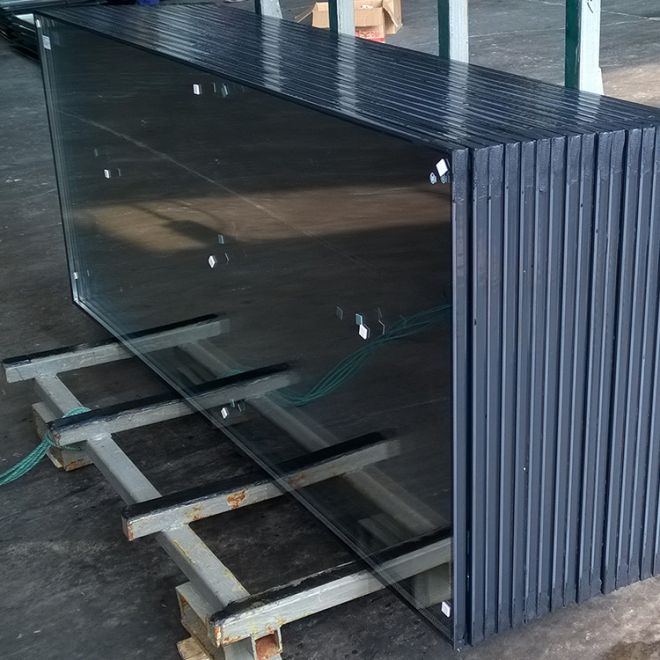
Architects combine decorative prints with safety and energy performance. Solutions such as factory supplied custom size tempered laminated insulated facade glass panel support large, safe, and efficient building skins.
- Printed patterns on insulated façade units
- Solar shading using gradient or dot patterns
- Branding integrated into glass curtain walls
🔹 Technological Advances Enhancing Durability and Design Precision in UV Printed Glass
Recent UV printing technologies improve ink adhesion, scratch resistance, and color accuracy, allowing precise, repeatable patterns on tempered, laminated, and insulated glass products.
By 2026, automation, better inks, and digital workflows will lower costs and speed up custom production, supporting both small custom runs and large architectural projects.
1. Improved Ink Formulations and Adhesion
New UV inks bond better with glass, resist chemicals, and ensure outdoor durability. This makes prints suitable for façades, railings, and high-traffic interior areas.
| Feature | Traditional Ink | Modern UV Ink |
|---|---|---|
| Adhesion on glass | Medium | High |
| Scratch resistance | Fair | Excellent |
| Outdoor lifespan | 3–5 years | 8–10 years |
2. High-Resolution Printing and Color Control
High DPI heads allow photo-level detail, gradients, and fine text. Color management software keeps color consistent across batches and different glass types.
- Fine line printing for patterns and signage
- Accurate brand colors with ICC profiles
- Soft gradients for privacy and shading
3. Integration with Insulated and Safety Glass Systems
Manufacturers now print directly on toughened or laminated units and then combine them into insulated systems such as Bulletproof Insulated Curtain Wall Glass | Manufacturer.
- Printed laminated safety glass
- Printed insulated units for hotels and offices
- Multi-functional glass with sound and heat control
4. Market Growth Forecast to 2026
Demand for UV printed glass is growing across interior, façade, and retail sectors. The following chart shows an example of projected segment growth.
🔹 Sustainability Trends Driving Adoption of Eco-Friendly UV Printing Inks and Processes
Green building standards and corporate ESG goals push glass suppliers to choose low-VOC, energy-saving UV inks and more efficient production methods.
By 2026, sustainable UV printed glass will support certifications and lower total environmental impact while keeping strong visual performance.
1. Low-VOC and Low-Odor UV Inks
Eco-friendly inks cut harmful emissions while keeping strong color and adhesion. This helps meet stricter indoor air quality and workplace rules.
- Low-VOC formulations
- Reduced odor in production areas
- Improved worker safety
2. Energy-Efficient Curing and Production
LED UV lamps use less power and run cooler than older systems. They also extend lamp life and lower maintenance costs over the equipment life cycle.
| Parameter | Traditional UV | LED UV |
|---|---|---|
| Energy use | High | Lower |
| Heat output | High | Low |
| Lamp lifespan | Short | Long |
3. Support for Green Buildings and Certifications
Architects can pair printed glass with efficient units like triple glazed glass for skyligt with CE to reduce heat loss and support LEED or similar standards.
- Improved thermal performance
- Better daylight control with patterns
- Support for sustainable building ratings
🔹 Emerging Opportunities in Automotive, Retail Displays, and Architectural Facades by 2026
UV printed glass offers new design and branding options for vehicles, shops, and buildings, creating both visual impact and added functional value.
By 2026, these sectors will drive strong demand for custom patterns, gradients, and integrated safety features.
1. Automotive Glazing and Decorative Components
Automakers use UV printing on side windows, roof panels, and interior trims to add privacy, shading, and unique styling at lower tooling cost.
- Printed roof gradients
- Decorative interior glass trims
- Brand or model graphics on glass
2. High-Impact Retail and Hospitality Displays
Retail and hotels use printed glass for premium counters, feature walls, and illuminated displays that resist wear and keep a fresh appearance.
- Durable display shelving
- Illuminated graphic panels
- Reception and bar counters
3. Architectural Facades and Urban Landmarks
Cities adopt printed façades to create landmarks while managing glare and solar gain. UV printing helps bring art and branding into public spaces.
| Application | Main Benefit |
|---|---|
| Office façades | Brand identity and solar shading |
| Public buildings | Cultural themes on durable surfaces |
| Transit hubs | Wayfinding and visual impact |
🔹 Strategic Benefits of Choosing BLUE-SKY for Customized UV Printed Glass Solutions
BLUE-SKY provides end-to-end UV printed glass solutions, from design support to safety processing and logistics for global building and interior projects.
Its flexible production lines and strict quality control help meet tight deadlines and demanding design briefs.
1. Integrated Design, Printing, and Safety Processing
BLUE-SKY supports the full chain: artwork setup, color proofing, UV printing, tempering, laminating, and insulating, ensuring reliable performance on site.
- Single contact for complex glass packages
- Consistent color and print quality
- Certified safety and performance tests
2. Flexible Customization for Global Projects
The company can handle both small custom orders and large series, supporting architects, contractors, and brand owners across different regions.
- Custom sizes and shapes
- Support for BIM and digital drawings
- Packing and shipping for export
3. Focus on Quality, Compliance, and Long-Term Value
BLUE-SKY follows international standards and uses proven UV inks and substrates to reduce failures, callbacks, and long-term maintenance costs.
| Advantage | Customer Benefit |
|---|---|
| Certified products | Easier approval by consultants |
| Durable prints | Lower replacement frequency |
| Stable supply | On-time project delivery |
Conclusion
By 2026, UV printed glass will move from niche to mainstream in interiors, façades, retail, and automotive applications worldwide.
Advanced inks, sustainable processes, and integrated safety systems will help designers and builders create striking, durable, and eco-friendly glass solutions at scale.
Frequently Asked Questions about uv printed glass
1. What is UV printed glass?
UV printed glass is glass that has images or patterns printed directly on its surface using ultraviolet-curable inks, which are instantly cured by UV light for durability.
2. Where is UV printed glass commonly used?
It is used in interior partitions, kitchen splashbacks, shower screens, retail displays, façades, balustrades, and branded feature walls in offices and hotels.
3. Is UV printed glass durable enough for outdoor use?
Yes. When combined with proper tempering or laminating and high-quality UV inks, the prints resist fading, scratching, and weather, making them suitable for exteriors.
4. Can UV printed glass be combined with safety and insulated glass?
Yes. The print can be applied before tempering or laminating and then built into insulated or bullet-resistant glass units, keeping both design and safety.
5. How does UV printed glass support sustainability goals?
Eco UV inks, LED curing, and energy-efficient insulated units reduce emissions and power use while supporting green building standards and long product lifetimes.